-
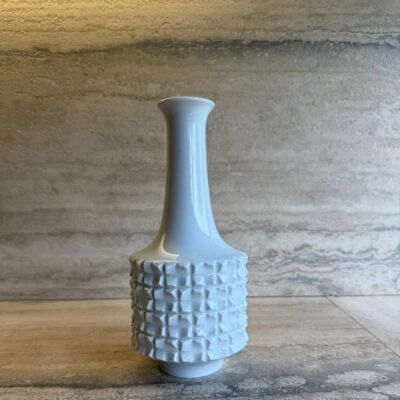
A mid-century porcelain vase designed by Ludwig Zepner for Meissen in the 1960s, marked with the Meissen crossed swords to the base. Of tapering cylindrical form, the piece reflects Zepner’s restrained approach to shape, allowing the purity of Meissen porcelain to take precedence over ornament.
11cm ⌀ × 24cm H
-
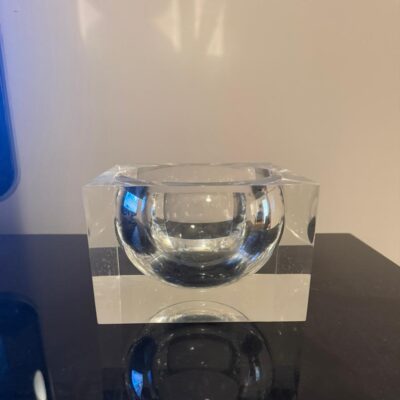
Dating to the 1970s, this lucite bowl captures the era’s fascination with new materials and their sculptural possibilities. The clarity and refraction of the acrylic give the piece a shifting presence, its form animated by changes in light and shadow.
18cm W × 18cm D × 11.5cm H
-
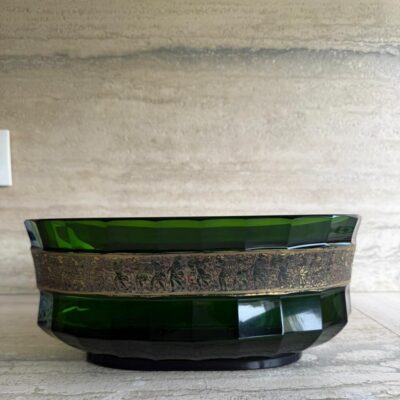
An early 20th-century crystal centrepiece by Moser, produced in Karlsbad, Czechoslovakia between 1918 and 1922. Marked on the base in diamond point: Made in Czechoslovakia, Moser, Karlsbad. The bowl is richly decorated with a wide frieze of marching warriors, rendered in gold against the clarity of cut crystal—a commanding motif that bridges Art Nouveau ornament with historicist themes.
30cm W × 16cm D × 13cm H
-
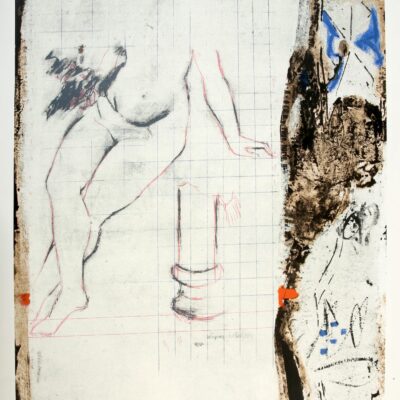
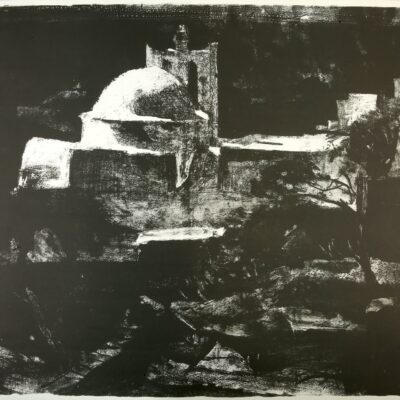
silkscreen on paper signed lower right numbered 203/240 lower left 50 x 70 cm unframed
-
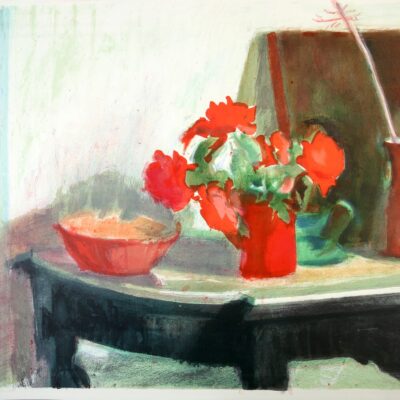
silkscreen on paper signed lower right numbered 139/195 lower left 89 x 70 cm unframed
-
silkscreen on paper signed lower right numbered 228/240 lower left 86 x 60 cm unframed
-
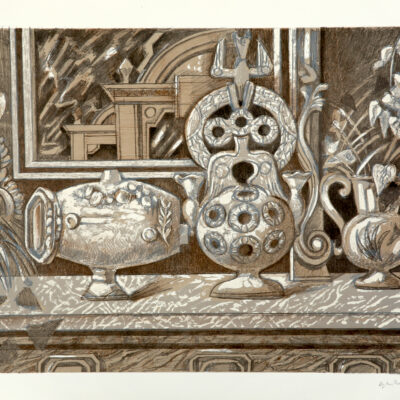
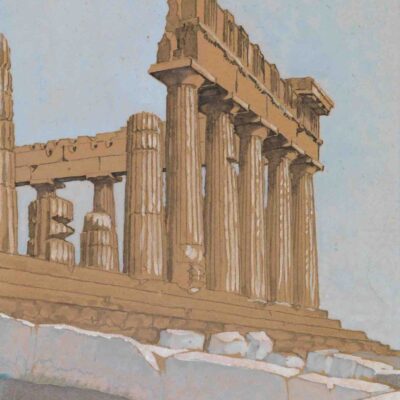
copper engraving on paper signed lower right numbered 57/60 lower left 62 x 90 cm circa 1970 unframed
-
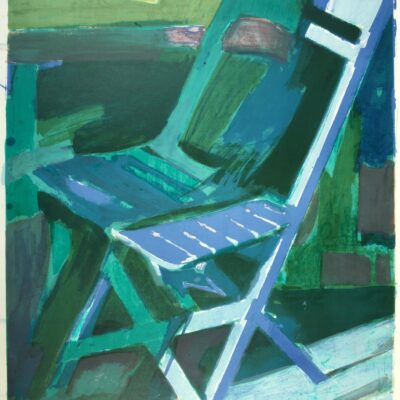
silkscreen on paper signed lower right numbered 85/150 lower left 60 x 85 cm unframed
-
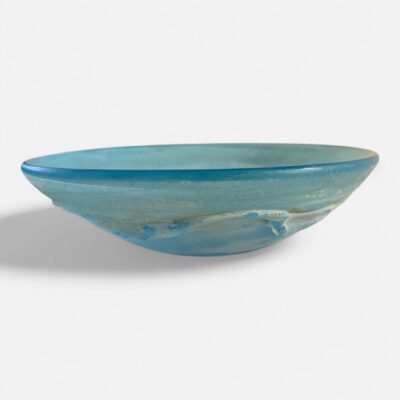
A Murano glass scavo bowl by Seguso Vetri d’Arte, produced between the mid-1970s and early 1980s. The scavo technique lends an antique look to the object, making it appear as if it has been excavated from under soil, which is typical of glass objects found during archaeological diggings.
35cm ⌀ × 10.5cm H
Signed to the base.
-
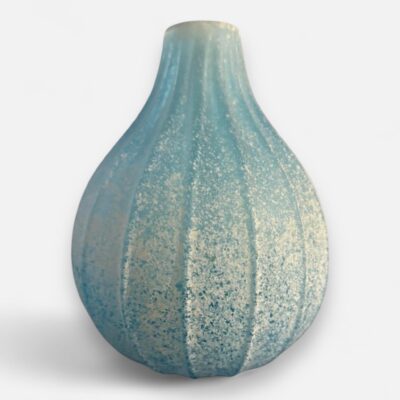
A Murano glass scavo vase by Seguso Vetri d’Arte, produced between the mid-1970s and early 1980s. The scavo technique lends an antique look to the object, making it appear as if it has been excavated from under soil, which is typical of glass objects found during archaeological diggings.
20cm ⌀ × 24.5cm H
Unsigned.
-
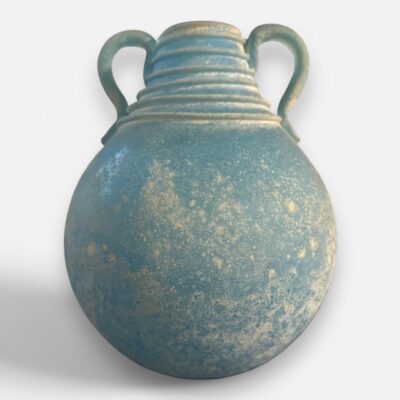
A Murano glass scavo vase by Seguso Vetri d’Arte, produced between the mid-1970s and early 1980s. The scavo technique lends an antique look to the object, making it appear as if it has been excavated from under soil, which is typical of glass objects found during archaeological diggings.
17cm ⌀ × 22cm H
Unsigned.
-
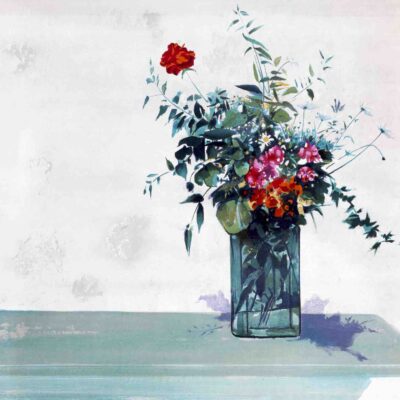
silkscreen on paper signed lower right numbered 165/170 lower left 60 x 82 cm unframed
-
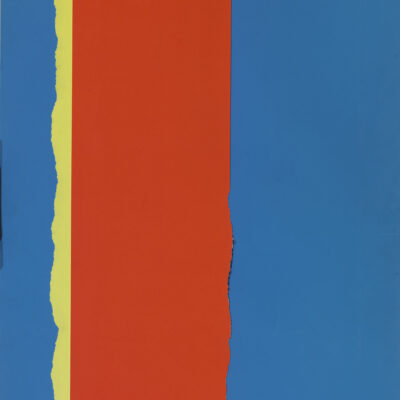
Stephen ANTONAKOS Greek / American, 1926-2013 Untitled collage (JA#3) Berlin torn and cut silkscreen paper, on silkscreen paper signed and dated 1980 on the reverse 73.5 x 56 cm
-
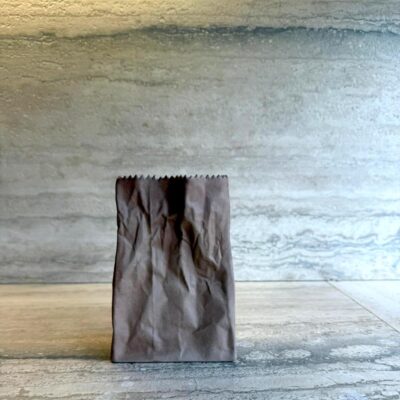
A sculptural ceramic vase by Tapio Wirkkala, produced in the 1970s by Rosenthal’s Studio Line in Germany. This is an early edition, marked to the base Rosenthal, Studio Linie, Germany. One of the designer’s most iconic forms, the Paper Bag plays with illusion and material—rendering the delicate crumple of paper in crisp ceramic with masterful restraint.
10cm W × 7cm D × 15cm H
-
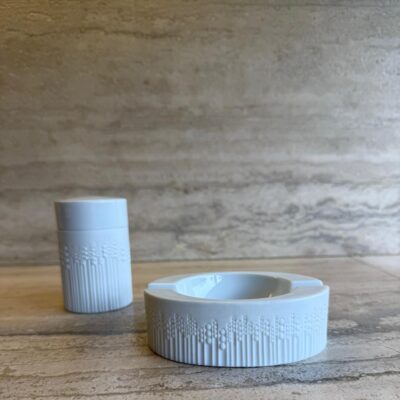
Designed by Finnish master Tapio Wirkkala for Rosenthal’s Studio Line, this pairing captures the sculptural purity and tactile allure that define his work. Produced in porcelain, the Pearl Drops design translates the organic softness of nature into objects of quiet refinement, equally at home as functional pieces or as sculptural accents.
Trinket box: 6cm Ø × 9cm H
Ashtray: 12cm W × 9cm D × 4cm H
Marked: Rosenthal Studio Linie, Germany